Demonic Hauntings Explained
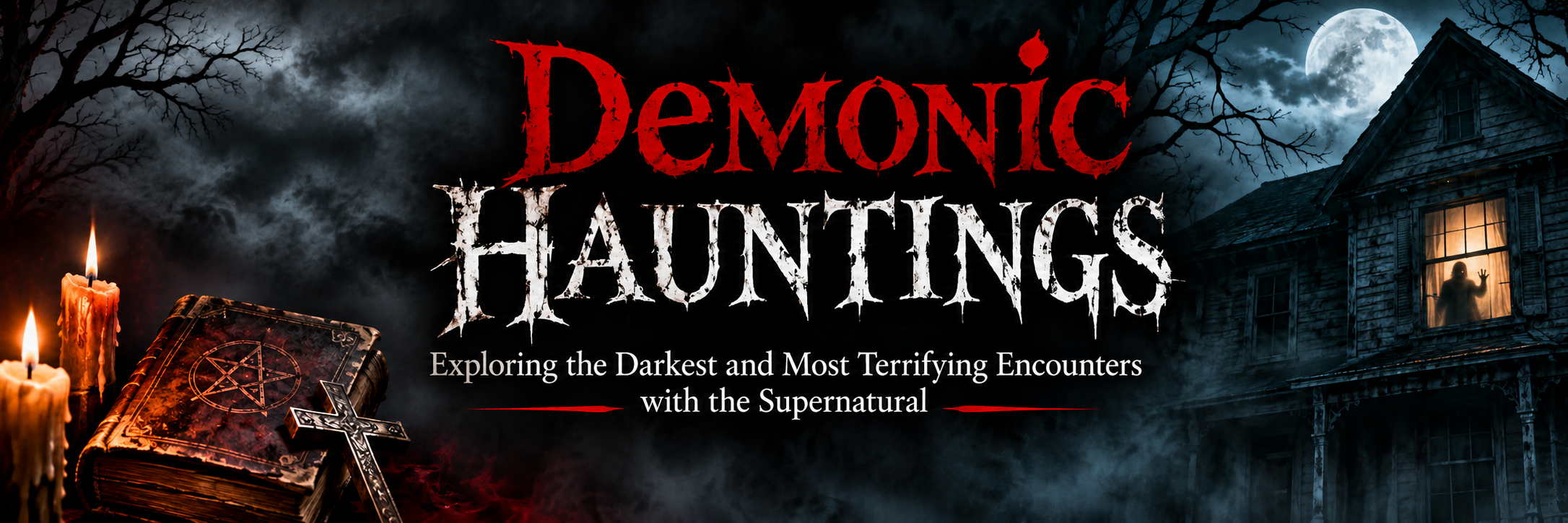
Demonic Hauntings Explained
Exploring the Darkest and Most Terrifying Encounters with the Supernatural
An exploration of demonic hauntings, their disturbing characteristics, historical origins, reported encounters, and the enduring mystery surrounding these frightening paranormal phenomena.
When Darkness Invades the Home
Throughout history, humanity has feared the possibility that unseen forces can enter our world and torment the living. Among the most terrifying phenomena described in paranormal folklore are demonic hauntings. Unlike traditional ghost stories involving the lingering spirits of deceased individuals, demonic hauntings are believed to involve malevolent, non-human entities whose intentions are deliberately sinister.
Accounts of these encounters frequently describe unexplained disturbances, oppressive atmospheres, terrifying apparitions, and psychological torment. Some witnesses claim their experiences began with seemingly harmless incidents before escalating into something far more disturbing. But what exactly constitutes a demonic haunting? Are these encounters evidence of supernatural evil, manifestations of psychological distress, or elaborate interpretations of unexplained environmental events?
To understand this chilling subject, we must explore the history, characteristics, and mysteries surrounding alleged demonic activity.
The Ancient Origins of Demonic Hauntings
Belief in malevolent supernatural entities predates modern paranormal investigation by thousands of years.
Ancient Mesopotamian civilizations described dangerous spirits believed to cause illness, nightmares, and misfortune. Protective rituals, prayers, and amulets were commonly employed to defend against these invisible threats.
In medieval Europe, demonic activity became closely associated with Christian religious teachings. Unexplained disturbances, unusual behaviour, and frightening experiences were sometimes attributed to demons attempting to corrupt or possess human beings. Similar beliefs appeared across numerous cultures, although interpretations varied considerably. Some traditions described malicious spirits as independent supernatural beings, while others viewed them as manifestations of spiritual imbalance or punishment. Despite their differences, these traditions shared a central theme: the possibility that hostile unseen forces could interfere with human existence.
These historical beliefs continue to influence contemporary descriptions of demonic hauntings.
The Warning Signs of an Alleged Demonic Presence
Paranormal investigators and witnesses often distinguish alleged demonic hauntings from ordinary ghostly activity through the perceived intensity and hostility of the experiences. Although no scientifically validated method exists for identifying demonic activity, several recurring characteristics appear in reported encounters.
Unexplained Noises and Violent Disturbances
Witnesses sometimes report heavy footsteps, aggressive knocking, scratching sounds, or deep growling noises seemingly originating from empty rooms. Other accounts describe furniture moving unexpectedly, objects falling without an apparent cause, or doors repeatedly slamming shut. While such incidents may feel threatening, structural movement, plumbing, animals, and other environmental factors can produce surprisingly unsettling effects.
Oppressive Atmospheres and Sudden Fear
Another frequently reported characteristic is an overwhelming sensation of dread. Individuals describe entering particular rooms and experiencing intense anxiety, discomfort, or the unsettling impression that something invisible is watching them. Some accounts include unexplained temperature changes or unpleasant odours. However, these sensations are not reliable evidence of supernatural activity. Stress, expectation, ventilation problems, and environmental conditions can influence how people perceive their surroundings.
Shadow Figures and Terrifying Apparitions
Perhaps the most frightening reports involve dark, humanlike figures appearing in doorways, corridors, or bedrooms. Witnesses sometimes describe unusually tall silhouettes, distorted facial features, or glowing eyes. These apparitions frequently appear during night time encounters, particularly when individuals are waking or falling asleep. Sleep paralysis, a recognised physiological phenomenon, can produce vivid hallucinations involving threatening figures and an overwhelming sense of an unseen presence.
The Three Stages of Demonic Hauntings
Within certain paranormal traditions, alleged demonic hauntings are described as progressing through three stages. These stages represent a popular supernatural interpretation rather than an established scientific classification.
Stage One: Infestation
The initial stage supposedly involves subtle disturbances designed to attract attention and generate fear. Reported experiences include whispering voices, unexplained footsteps, unusual smells, and objects appearing in unexpected locations.
Stage Two: Oppression
During the second stage, the alleged entity is believed to intensify its activity. Witnesses may describe recurring nightmares, emotional exhaustion, growing anxiety, and increasingly disturbing household incidents. Paranormal interpretations sometimes suggest that the entity attempts to weaken an individual’s emotional resilience.
Stage Three: Possession
The final and most controversial stage involves the belief that a malevolent entity can influence or control a living person. Historical possession accounts describe dramatic changes in behaviour, unfamiliar speech patterns, and apparent aversion to religious objects. Modern medical understanding recognises that neurological, psychiatric, and dissociative conditions can produce experiences historically interpreted as possession. Such symptoms warrant compassionate professional assessment rather than supernatural assumptions.
Famous Cases That Fuelled the Fear
Several widely publicised haunting cases have helped establish the modern image of demonic activity.
One particularly famous example is the Amityville haunting. Following a brutal family murder in 1974, subsequent occupants of the property claimed to experience frightening supernatural disturbances. Their allegations inspired bestselling books, documentaries, and numerous horror films. However, the haunting claims have faced substantial criticism, conflicting testimony, and allegations of fabrication.
Another notorious case is the Enfield poltergeist investigation in England. Beginning in 1977, a family reported unexplained knocking, moving furniture, and disturbing vocal phenomena. Although some investigators considered the events paranormal, sceptics highlighted evidence of trickery and alternative explanations.
Neither case established that demons or supernatural entities were responsible. Nevertheless, both became influential examples of how frightening personal experiences can develop into enduring paranormal legends.
Why Do People Believe Demons Haunt Certain Locations?
Theories surrounding alleged demonic hauntings vary considerably. Some religious interpretations suggest that malevolent entities deliberately target individuals, families, or locations. Other supernatural traditions propose that occult rituals, traumatic events, or spiritually significant activities may attract hostile presences.
These claims remain matters of belief rather than scientifically demonstrated mechanisms. Psychological research offers alternative explanations for many haunting experiences. Human perception is particularly sensitive to potential threats, especially in darkness or unfamiliar environments. Ambiguous sounds and shadows may be interpreted as evidence of danger.
Sleep deprivation, anxiety, suggestion, and cultural expectations can further intensify these perceptions. Environmental hazards also deserve consideration. Carbon monoxide exposure, for example, can cause headaches, confusion, and other symptoms that may contribute to unusual experiences.
Understanding these possibilities does not require dismissing the genuine fear witnesses may experience.
Investigating a Suspected Demonic Haunting
A responsible investigation begins by examining ordinary explanations before considering extraordinary claims.
Unusual noises should be assessed for structural, mechanical, or environmental causes. Electrical problems, faulty heating systems, and pest activity can produce disturbances that initially appear mysterious. Investigators may also document reported incidents, interview witnesses separately, and compare accounts for inconsistencies. Photographs, audio recordings, and environmental measurements can help establish what occurred, although none can independently prove the presence of a demon. Where individuals experience persistent fear, disrupted sleep, or disturbing perceptions, appropriate medical or psychological support may be beneficial.
Religious guidance can provide comfort for those whose beliefs include spiritual explanations, but it should not replace essential health or safety assessments.
Conclusion: The Enduring Mystery of Demonic Hauntings
Demonic hauntings occupy a particularly unsettling place in supernatural folklore because they suggest something more frightening than death itself: the possibility of an intelligent, hostile presence deliberately seeking to terrorise the living.
From ancient spiritual traditions to modern paranormal investigations, stories of malevolent entities continue to fascinate and disturb audiences worldwide. Yet despite centuries of testimony, dramatic eyewitness accounts, and countless investigations, convincing scientific evidence demonstrating the existence of demonic hauntings remains absent. What cannot be denied is the powerful influence these experiences have on those who report them. Whether understood through religion, psychology, folklore, or environmental science, alleged demonic hauntings reveal humanity’s enduring fascination with the unknown. And perhaps their greatest power lies not in what has been proven to exist, but in the terrifying question that continues to haunt the imagination.
What if the darkness we fear is not always empty?
For more information and help, please Get in Touch.
Demonic Hauntings Explained, Understanding Hauntings Explained